


Recent insights from neuroscience introduce the concept of the unconscious predicting brain—a key to understanding why we often struggle to truly understand our partners.
Feeling puzzled?
Let’s unpack how this silent predictor works.
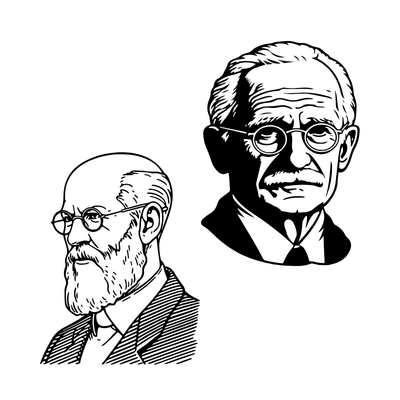
Unlike the subconscious realm of dreams and symbols described by Freud and Jung, this is the part of your brain that manages how you perceive everyday reality, including your relationships.
Think of the brain as constantly anticipating what will happen next, shaped by past sensory experiences.
Earlier models believed the brain reacted only when sensing something new—but present-day neuroscience shows it is more efficient: it predicts based on stored impressions and only corrects errors when predictions don't align with.
Why does this matter in relationships?
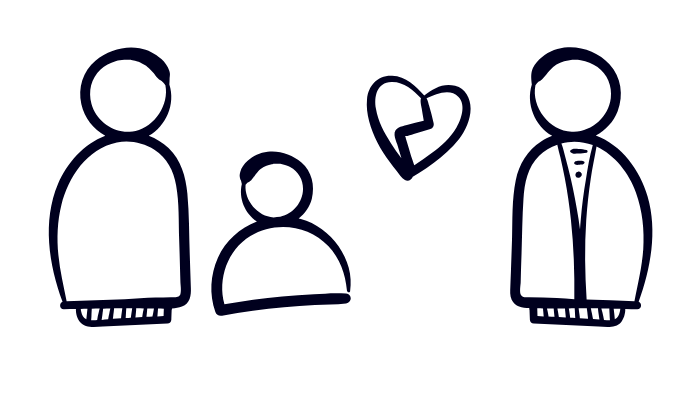
Your partner’s internal prediction model differs from yours—perhaps due to different upbringing, temperament, gender, or life experiences. When their behavior doesn’t match what your brain expected, a prediction error occurs. These mismatches can trigger instinctive reactions—frustration, withdrawal, arguments—that damage connection. As I say: It calls on your inner Watchdog.
Read more about The inner Watchdog in the blog: My Husband and I Can´t communicate: https://kennoehl.com/my-husband-and-i-cant-communicate/
These prediction failures are often the root of recurring disputes and emotional distance between partners.
Understanding this is powerful: once you grasp how your brain automatically forecasts situations—especially in repeated scenarios—you can begin to differentiate between expectation and reality. That’s how deeper understanding and connection emerge.
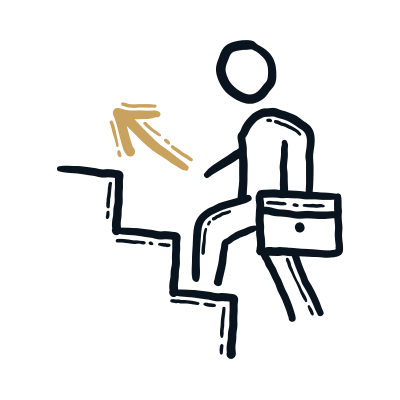
Example: Imagine stepping misaligned on a staircase because your brain expected another step that wasn’t there. That momentary loss of balance is a prediction error—and your brain reacts to correct it. The same mechanism underpins misunderstandings in relationships.
Transformation happens through awareness and repetition. Learning to pause, feel the surprise of unmet expectations, and respond consciously can gradually reshape those predictive pathways and help couples act with intention and empathy.
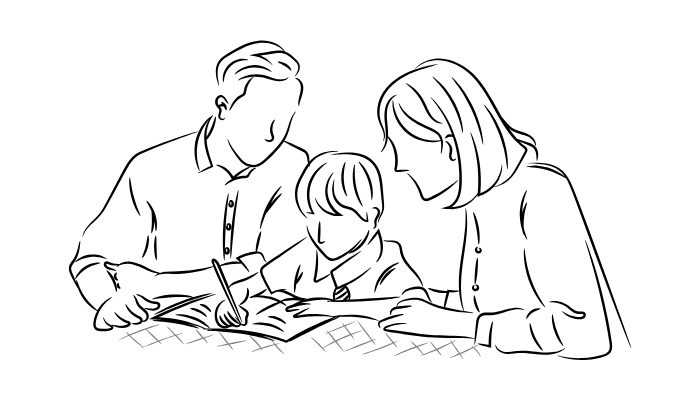
Over time and with practice—just like a child needs repeated reminders to clear their plate after a meal—couples can rewire these unconscious expectations and move toward healthier interactions.
Intergenerational patterns matter, too.
Many of these predictive templates are rooted in childhood and shaped by how we attach to others. Recognizing and redefining them is part of what I help couples do in therapy.